Capital markets explainers
PaRRVA goes live, routing IA and RA performance claims through CARE Ratings
9 May 2026 · Yobee Team

SEBI's PaRRVA goes live
On May 4, 2026, SEBI's Past Risk and Return Verification Agency (PaRRVA) framework went live commercially. Under the regulator's circular dated April 29, 2026, CARE Ratings has been recognised as the designated PaRRVA and NSE as the PaRRVA Data Centre (PDC). The framework itself was issued on April 4, 2025, with a pilot phase from December 8, 2025. The portal is live at careparrva.com.
The core specs:
| Item | Detail |
|---|---|
| Operational date | May 4, 2026 |
| Authorising circular | SEBI, April 29, 2026 |
| Framework circular | SEBI, April 4, 2025 |
| Designated PaRRVA | CARE Ratings Ltd |
| Data centre | NSE |
| Enrolment deadline for IAs and RAs | August 3, 2026, extended on that day to September 3, 2026 |
| Pre-PaRRVA certified record may be shared until | May 3, 2028, then only PaRRVA-verified metrics |
| Metrics computed | Around 50, sourced from exchange transaction data |
From go-live, past performance in promotional material is PaRRVA-verified or absent, as the advertisement codes allowed none before. Enrolling by the deadline is what lets an Investment Adviser or Research Analyst keep sharing its certified pre-PaRRVA record with clients until May 3, 2028. A firm that did not enrol can share none of it.
What's covered
The framework applies to SEBI-registered Investment Advisers, Research Analysts, exchange-empanelled algorithmic trading providers, and stock brokers offering similar services. There were 981 registered IAs and 1,826 RAs at the end of March 2026, and every exchange-empanelled algo provider also falls under scope. AMCs, PMS and AIFs sit outside; those segments operate under their own performance disclosure regimes.
What it changes
Three things matter for any firm that markets advisory services:
- Performance numbers in any ad, pitch deck, brochure, mailer, website page or social post must now come from PaRRVA-verified data sourced from CARE Ratings. Internally computed track records have no standing for marketing use.
- Disclosure rules tighten on the shape of the claim itself. Selective date ranges are out. Cherry-picked portfolios are out. Every claim must disclose the total number of portfolios or algos the firm has had verified, must carry the standard "past performance is not indicative of future results" line, and must include a link or QR code back to the firm's PaRRVA summary page. Specific stock or derivative names cannot appear in the claim.
- The compliance calendar has two dates. September 3, 2026, extended from August 3, after which an IA or RA not enrolled can share no certified past performance with clients. And May 4, 2028, from which only PaRRVA-verified metrics may be shown anywhere, the two-year window for the older record closed.
The implication is direct. Firms with strong, defensible track records get an independent verification path that lets them present those numbers. Firms whose advertised numbers were selectively framed lose the framing.
Practical uses
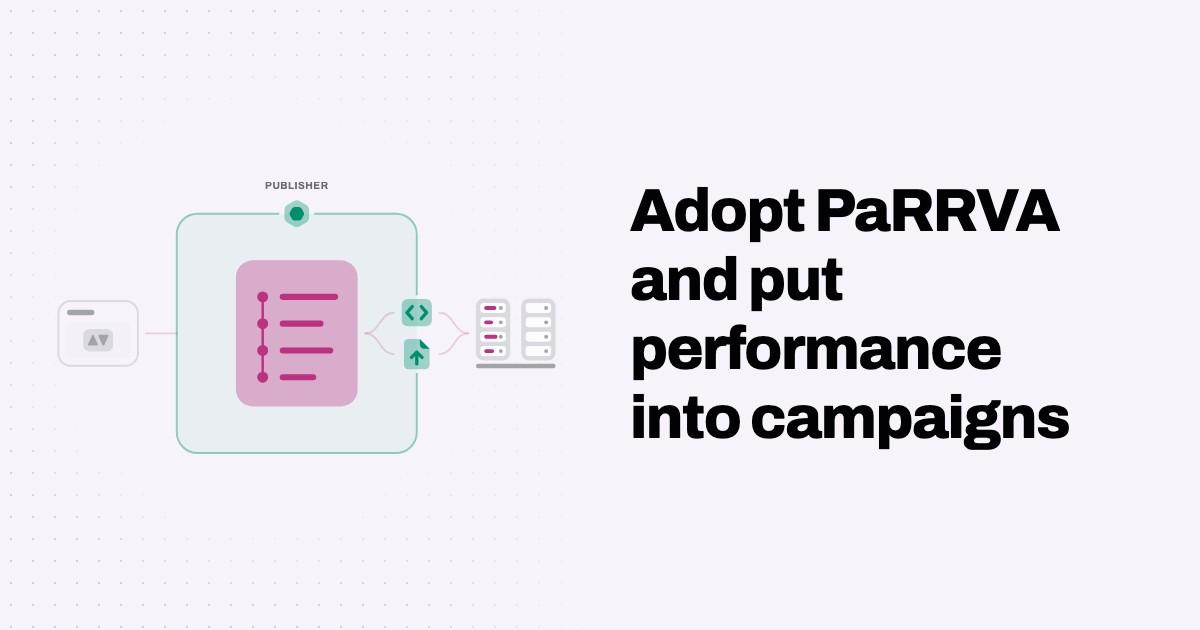
For full-service brokers running advisory or research subscriptions, the work splits into two streams. The compliance stream is the enrolment and data plumbing into CARE Ratings ahead of the enrolment deadline. The marketing stream is the rewrite of every existing performance-led asset, including landing pages, in-app performance tables, RM pitch decks and mailers, to source numbers from the PaRRVA feed and carry the new disclosures, QR codes and portfolio counts. Yobee's Publisher is designed to connect to PaRRVA via API or CSV out of the box, to support this compliance step.
For RA platforms and research aggregators, the verified metric becomes a comparable field across analysts. A subscriber can now compare two analysts' track records on the same definition rather than on each analyst's own framing.
Context, and what's next
The IA and RA base is small relative to India's retail investor population, but its marketing leans heavily on past performance, which is what the rules now constrain. The next dates to watch: the enrolment cut-off, September 3, 2026 after the extension, the first wave of post-PaRRVA promotional creatives, the close of the older record's window in May 2028, and any SEBI move to extend the framework to a wider set of intermediaries once the initial enrolment cycle settles.